How Online Banking Brought Bank Transfers Home
Online banking portals let customers make transfers, create standing orders and manage saved recipients from home without visiting a branch.
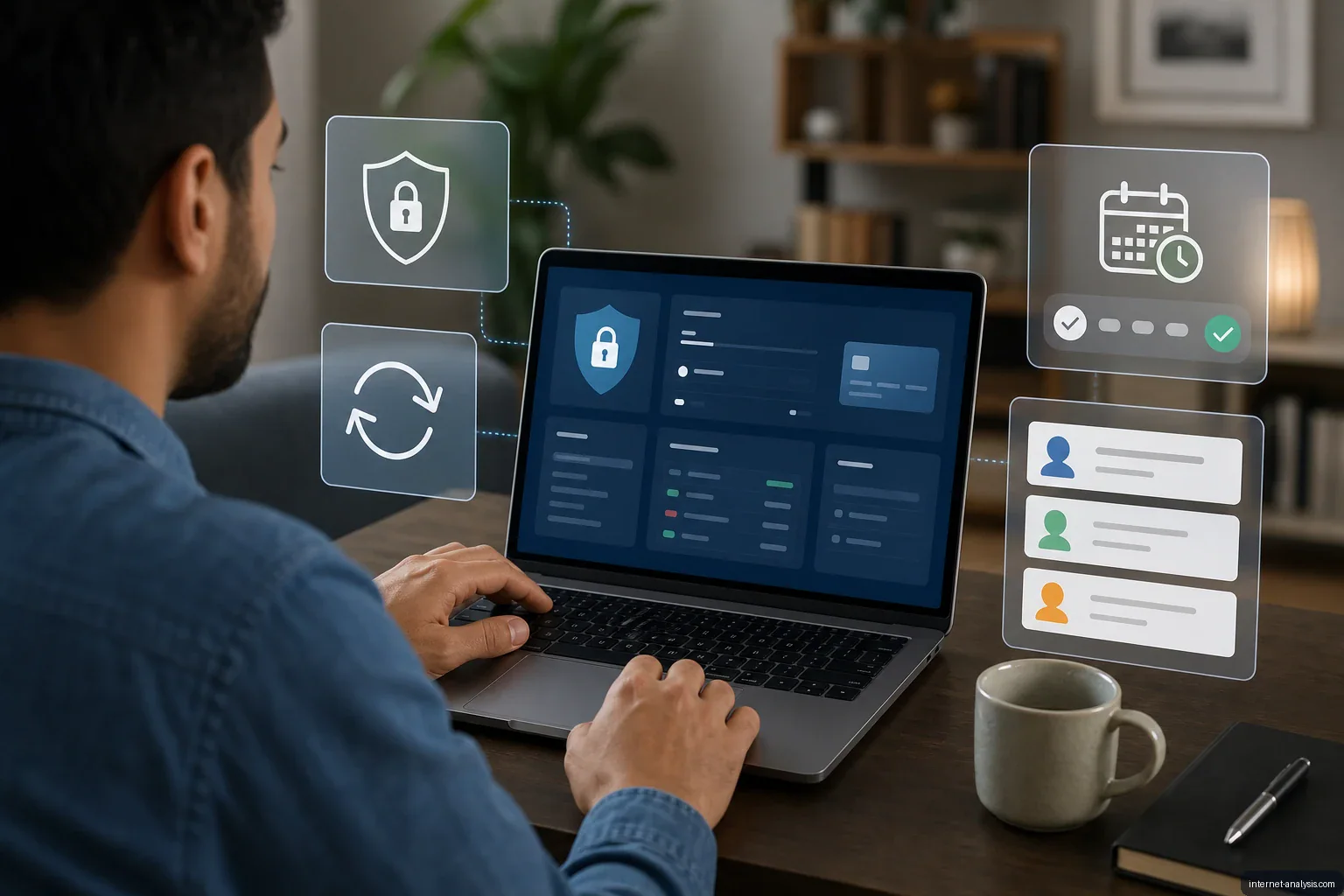
Online banking has changed how customers handle everyday financial tasks. Services that once required a trip to a branch and help from an employee are now available through a bank’s online customer portal.
This shift has also helped banks serve customers across broad geographic areas without relying exclusively on physical branches, which require significant resources to establish and maintain. As banks have consolidated into larger financial groups and expanded internationally, digital access has become an essential part of their operations.
Everyday banking without a branch visit
After signing in to an online banking account, customers can independently complete many routine activities that were traditionally handled at a branch. Common capabilities include:
- Making one-time bank transfers
- Creating standing orders for recurring payments
- Managing payment instructions without direct assistance from bank staff
- Saving recipients for future transactions
These tools make banking services available from home while reducing the need to repeat the same information for each payment.
Saved recipient lists simplify transfers
Many online banking systems allow customers to maintain a private list of payment recipients. Each entry can include the recipient’s name or address, bank account details and other information required to complete a transfer.
Once a recipient has been saved, the customer can select that entry when preparing another payment rather than entering all the details again. This feature is especially useful for transfers made regularly to the same individuals, companies or organizations.
A digital replacement for many branch services
Physical branches remain part of the banking system, but online portals now provide access to many of their most frequently used services. Transfers, standing orders and recipient management can all be handled through a bank’s website, giving customers greater independence in managing routine payments from home.

Piotr
Network Performance Analyst at Internet AnalysisPiotr analyzes how download speed, upload speed, latency, jitter, and packet loss affect real-world connectivity. He translates test results into careful, reproducible explanations.
View author profile →How this article was prepared
Uses consistent metric definitions, excludes invalid samples where identifiable, compares medians rather than isolated extremes, and describes device, access-network, and geographic limitations.
Read our methodology →Reviewed by the Internet Analysis Editorial Team
Reviewed by the Internet Analysis Editorial Team · Updated August 28, 2026
Meet the editorial team →Article context, review and related questions
Online banking portals let customers make transfers, create standing orders and manage saved recipients from home without visiting a branch.
| Measure | Value | Context |
|---|---|---|
| Article type | Financial Technology | Editorial classification |
| Reading time | 2 minutes | Estimated at approximately 220 words per minute |
| Editorial review | Internet Analysis Editorial Team | Updated August 28, 2026 |
| Review date | August 28, 2026 | Latest stored article update |
Methodology
Uses consistent metric definitions, excludes invalid samples where identifiable, compares medians rather than isolated extremes, and describes device, access-network, and geographic limitations.
Full methodology →Data freshness
- Page updated
- Data period
- August 28, 2026
- Responsible editor
- PiotrNetwork Performance Analyst
Primary sources
- Internet Analysis editorial methodologyReview and limitation rules
Limitations
- The article is informational and may simplify technical details for readability.
- Products, standards, prices and service availability can change after the review date.
- The latest review date does not guarantee that every external product or service remains unchanged.
Related questions
What is the main point of “How Online Banking Brought Bank Transfers Home”?
Online banking portals let customers make transfers, create standing orders and manage saved recipients from home without visiting a branch.
How was this article prepared?
Uses consistent metric definitions, excludes invalid samples where identifiable, compares medians rather than isolated extremes, and describes device, access-network, and geographic limitations.
When was this information last reviewed?
The latest stored review or update date is August 28, 2026.