How Device Bundles Helped Carriers Sell Mobile Internet
Carriers accelerated mobile Internet adoption by bundling financed laptops, cellular modems, SIM cards and higher data allowances as modem hardware shifted from PCMCIA to ExpressCard.
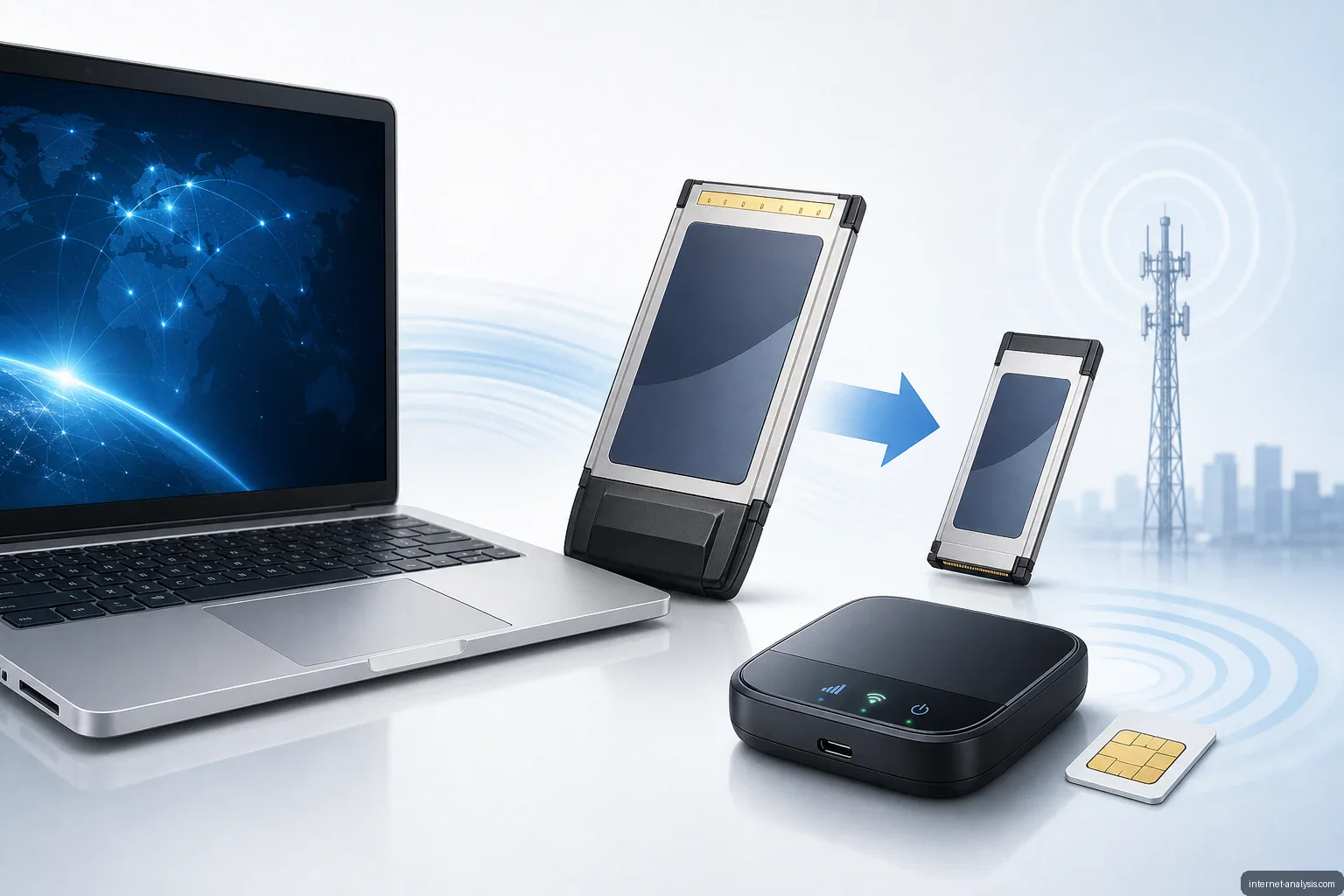
Mobile carriers faced a practical obstacle when they began promoting Internet access over cellular networks: relatively few suitable consumer devices were readily available. To expand the market, carriers began negotiating multimillion-dollar contracts directly with mobile device suppliers and selling the resulting hardware together with data service.
Laptops became central to mobile data bundles
For a time, laptops were among the best-selling devices offered through these programs. They fit naturally into a bundled sales model that combined hardware financing, network equipment and an ongoing service agreement.
A typical transaction included:
- A laptop purchased through installment payments
- A modem used to connect the computer to the cellular network
- A subscription tied to a SIM card
- A mobile data allowance larger than the one commonly included with a standard voice plan
This approach helped carriers address the shortage of compatible equipment while giving customers a straightforward way to obtain everything needed for mobile Internet access.
From PCMCIA to ExpressCard
The earliest modems used for these laptop connections were designed primarily for PCMCIA slots. As laptops with ExpressCard slots entered the market, modem manufacturers began developing hardware for the newer interface.
The transition from PCMCIA to ExpressCard delivered more than a change in connector format. It enabled manufacturers to make smaller mobile modems and improve capabilities such as power management—an important consideration for equipment intended to operate from a laptop’s battery.
Hardware and service evolved together
These carrier-led bundles illustrate how the growth of mobile Internet depended on both network subscriptions and compatible consumer hardware. By combining laptops, modems, SIM cards and higher data allowances in a single commercial package, carriers reduced the barriers to adopting cellular Internet service while encouraging modem technology to evolve alongside laptop interfaces.

Tomasz
Founder & Network Data Analyst at Internet AnalysisTomasz leads data-focused analysis at Internet Analysis, covering internet speed, latency, reliability, broadband infrastructure, and ISP performance. His work connects measurable network indicators with clear explanations for everyday users.
View author profile →How this article was prepared
Reviews measurement definitions, compares like-for-like network samples, checks geographic and time coverage, and documents limitations before drawing conclusions.
Read our methodology →Reviewed by the Internet Analysis Editorial Team
Reviewed by the Internet Analysis Editorial Team · Updated September 14, 2026
Meet the editorial team →Article context, review and related questions
Carriers accelerated mobile Internet adoption by bundling financed laptops, cellular modems, SIM cards and higher data allowances as modem hardware shifted from PCMCIA to ExpressCard.
| Measure | Value | Context |
|---|---|---|
| Article type | Telecommunications | Editorial classification |
| Reading time | 2 minutes | Estimated at approximately 220 words per minute |
| Editorial review | Internet Analysis Editorial Team | Updated September 14, 2026 |
| Review date | September 14, 2026 | Latest stored article update |
Methodology
Reviews measurement definitions, compares like-for-like network samples, checks geographic and time coverage, and documents limitations before drawing conclusions.
Full methodology →Data freshness
- Page updated
- Data period
- September 14, 2026
- Responsible editor
- TomaszFounder & Network Data Analyst
Primary sources
- Internet Analysis editorial methodologyReview and limitation rules
Limitations
- The article is informational and may simplify technical details for readability.
- Products, standards, prices and service availability can change after the review date.
- The latest review date does not guarantee that every external product or service remains unchanged.
Related questions
What is the main point of “How Device Bundles Helped Carriers Sell Mobile Internet”?
Carriers accelerated mobile Internet adoption by bundling financed laptops, cellular modems, SIM cards and higher data allowances as modem hardware shifted from PCMCIA to ExpressCard.
How was this article prepared?
Reviews measurement definitions, compares like-for-like network samples, checks geographic and time coverage, and documents limitations before drawing conclusions.
When was this information last reviewed?
The latest stored review or update date is September 14, 2026.