Electronic Mail: How Email Works and Where It Began
Email is a network service for exchanging messages and digital files. Its origins predate the internet and extend back to shared-computer systems of the 1960s.
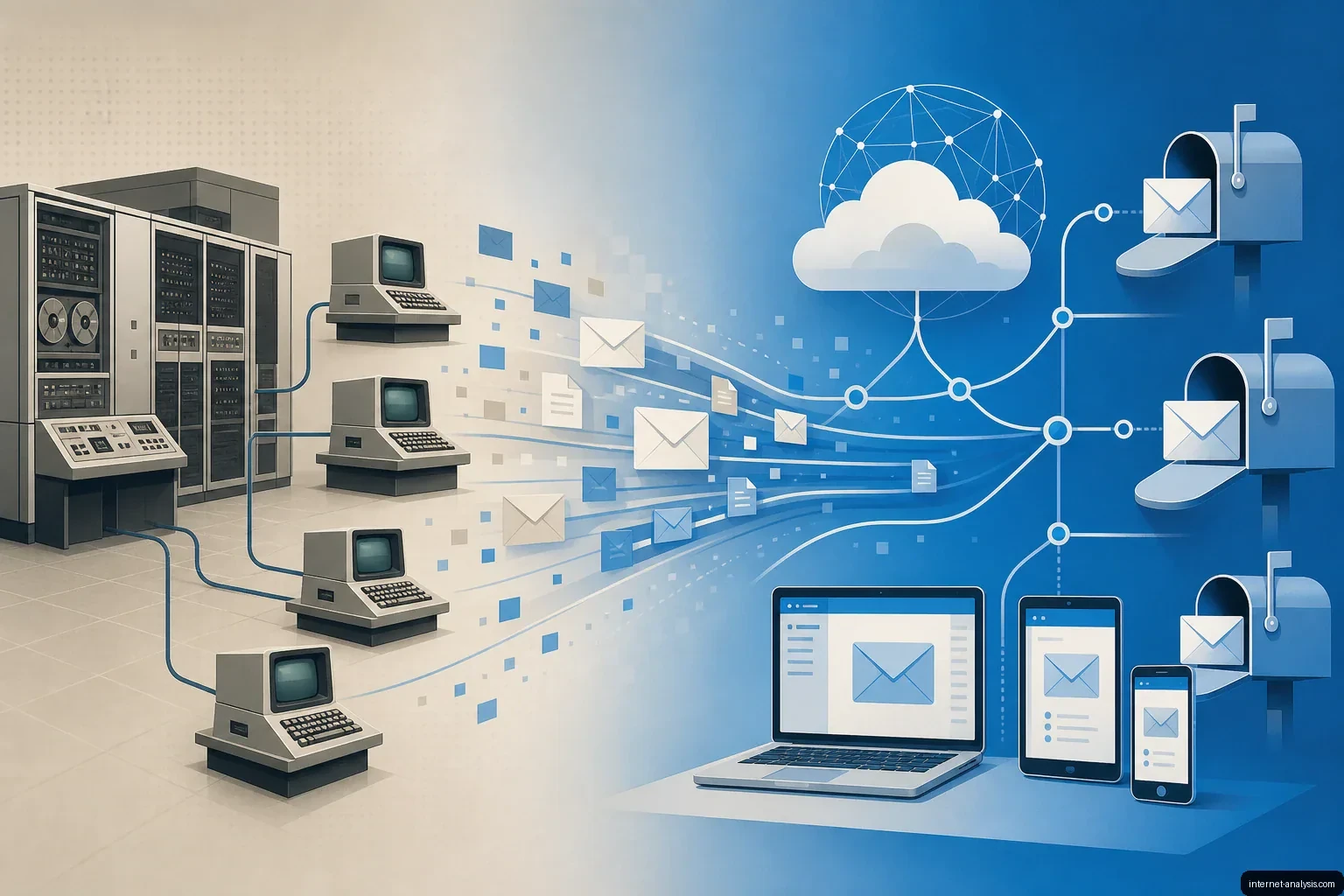
Electronic mail, commonly called email, is a network service for sending and receiving messages and digital files through electronic communication systems. Its speed, convenience and low cost have made it a practical replacement for traditional mail in much everyday communication.
What email can carry
Email is not limited to written text. A message can also deliver many types of digital documents, allowing users to exchange information and files through the same service.
Each user typically receives messages in a mailbox, where they can be stored and accessed electronically. This approach makes communication substantially faster than physically transporting a letter or document.
Email and internet protocols
The term email most often refers to the internet-based system that uses the Simple Mail Transfer Protocol, or SMTP, to transmit messages. In a broader sense, however, electronic mail can include comparable messaging systems built with other technologies.
Email predates the internet
Email developed before the internet and became one of the tools that helped make networked communication useful. An important precursor appeared during a 1961 demonstration at the Massachusetts Institute of Technology. The system allowed multiple people using remote terminals to access an IBM 7094 computer and save files on its disk.
That shared access created new possibilities for exchanging data through a common computer system. Electronic mail itself came into use in 1965–1966, establishing a form of digital communication that would later become closely associated with the internet.
Why email became widespread
Email combines several practical advantages:
- Messages can be delivered quickly through electronic networks.
- Text and digital documents can be sent through one service.
- Communication costs are generally low.
- Messages can be received and stored in electronic mailboxes.
These qualities helped email move from early shared-computer environments into routine personal and professional communication.

Anna
Digital Safety & Consumer Research Editor at Internet AnalysisAnna edits practical guidance about safer internet use, privacy, online services, and consumer decisions. She prioritizes clear recommendations, scope, and transparent sourcing.
View author profile →How this article was prepared
Reviews claims against named primary or authoritative sources, removes unsupported certainty, distinguishes general education from professional advice, and records the article update date.
Read our methodology →Reviewed by the Internet Analysis Editorial Team
Reviewed by the Internet Analysis Editorial Team · Updated August 18, 2026
Meet the editorial team →Article context, review and related questions
Email is a network service for exchanging messages and digital files. Its origins predate the internet and extend back to shared-computer systems of the 1960s.
| Measure | Value | Context |
|---|---|---|
| Article type | Computer Science | Editorial classification |
| Reading time | 2 minutes | Estimated at approximately 220 words per minute |
| Editorial review | Internet Analysis Editorial Team | Updated August 18, 2026 |
| Review date | August 18, 2026 | Latest stored article update |
Methodology
Reviews claims against named primary or authoritative sources, removes unsupported certainty, distinguishes general education from professional advice, and records the article update date.
Full methodology →Data freshness
- Page updated
- Data period
- August 18, 2026
- Responsible editor
- AnnaDigital Safety & Consumer Research Editor
Primary sources
- Internet Analysis editorial methodologyReview and limitation rules
Limitations
- The article is informational and may simplify technical details for readability.
- Products, standards, prices and service availability can change after the review date.
- The latest review date does not guarantee that every external product or service remains unchanged.
Related questions
What is the main point of “Electronic Mail: How Email Works and Where It Began”?
Email is a network service for exchanging messages and digital files. Its origins predate the internet and extend back to shared-computer systems of the 1960s.
How was this article prepared?
Reviews claims against named primary or authoritative sources, removes unsupported certainty, distinguishes general education from professional advice, and records the article update date.
When was this information last reviewed?
The latest stored review or update date is August 18, 2026.