Home Networks: Connecting Devices and Keeping Data in Sync
Home networks connect household devices, support data sharing and synchronization, and provide a foundation for Wi-Fi, internet access and emerging digital services.
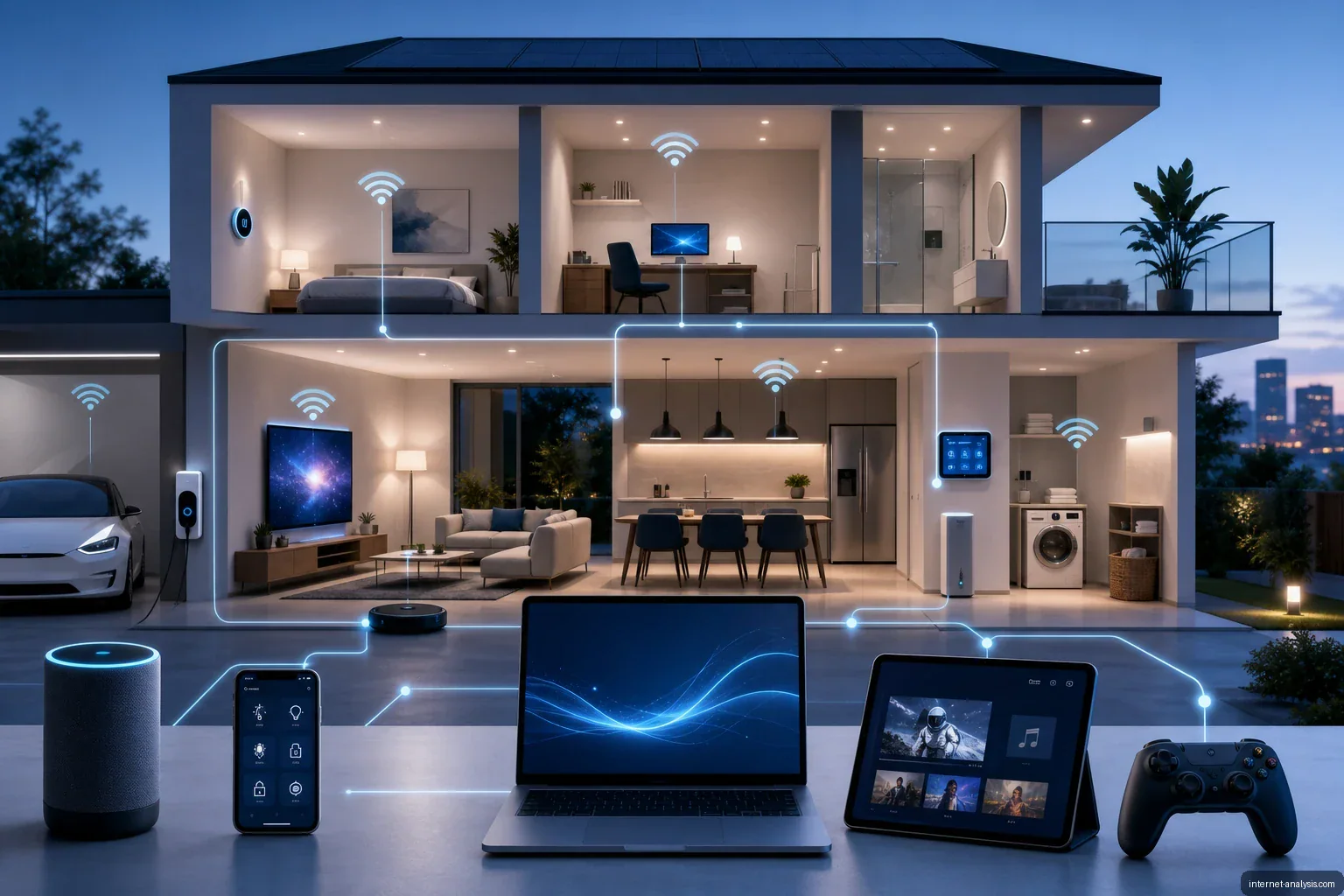
Connected technology has become a routine part of home life. Phones, computers and other personal devices can store and exchange information, while many household products now include some form of network connectivity. This growth reflects the broader adoption of digital services, but it also creates a practical challenge: information may be duplicated across devices without remaining synchronized.
Why a Home Network Matters
A home network gives compatible devices a shared communications system. Instead of operating as isolated products, connected devices can exchange data and use services available through the network. This can make it easier to manage information across the household and reduce the fragmentation caused by keeping separate copies on multiple devices.
Common reasons to establish a home network include:
- Connecting personal and household devices
- Sharing information between compatible systems
- Supporting data synchronization
- Providing access to internet-based services
- Enabling digital entertainment and other connected features
Wired and Wireless Connections
Home networks can use wired connections, wireless connections or a combination of both. Wired networking provides a physical connection between devices, while wireless networking allows supported equipment to communicate without a direct cable between each device and the network.
Wireless networks are especially common in homes because they are convenient and widely supported by modern devices. For many internet users, a Wi-Fi network serves as the primary way to connect phones, computers and other compatible equipment.
More Than Internet Access
A home network is not limited to providing an internet connection. Its broader purpose is to create a foundation on which devices can communicate and share data. As connected technology develops, that foundation can also support additional household services across multiple areas, including entertainment.
The continuing expansion of connected products is likely to make home networking increasingly important. A well-integrated network can help households move beyond collections of independent devices toward systems that share information and services more effectively.

Tomasz
Founder & Network Data Analyst at Internet AnalysisTomasz leads data-focused analysis at Internet Analysis, covering internet speed, latency, reliability, broadband infrastructure, and ISP performance. His work connects measurable network indicators with clear explanations for everyday users.
View author profile →How this article was prepared
Reviews measurement definitions, compares like-for-like network samples, checks geographic and time coverage, and documents limitations before drawing conclusions.
Read our methodology →Reviewed by the Internet Analysis Editorial Team
Reviewed by the Internet Analysis Editorial Team · Updated August 19, 2026
Meet the editorial team →Article context, review and related questions
Home networks connect household devices, support data sharing and synchronization, and provide a foundation for Wi-Fi, internet access and emerging digital services.
| Measure | Value | Context |
|---|---|---|
| Article type | Networking | Editorial classification |
| Reading time | 2 minutes | Estimated at approximately 220 words per minute |
| Editorial review | Internet Analysis Editorial Team | Updated August 19, 2026 |
| Review date | August 19, 2026 | Latest stored article update |
Methodology
Reviews measurement definitions, compares like-for-like network samples, checks geographic and time coverage, and documents limitations before drawing conclusions.
Full methodology →Data freshness
- Page updated
- Data period
- August 19, 2026
- Responsible editor
- TomaszFounder & Network Data Analyst
Primary sources
- Internet Analysis editorial methodologyReview and limitation rules
Limitations
- The article is informational and may simplify technical details for readability.
- Products, standards, prices and service availability can change after the review date.
- The latest review date does not guarantee that every external product or service remains unchanged.
Related questions
What is the main point of “Home Networks: Connecting Devices and Keeping Data in Sync”?
Home networks connect household devices, support data sharing and synchronization, and provide a foundation for Wi-Fi, internet access and emerging digital services.
How was this article prepared?
Reviews measurement definitions, compares like-for-like network samples, checks geographic and time coverage, and documents limitations before drawing conclusions.
When was this information last reviewed?
The latest stored review or update date is August 19, 2026.