How the Internet and HTML Power the Modern Web
Internet connectivity greatly expands the usefulness of computers, while HTML, web servers and browsers work together to deliver structured websites to users.
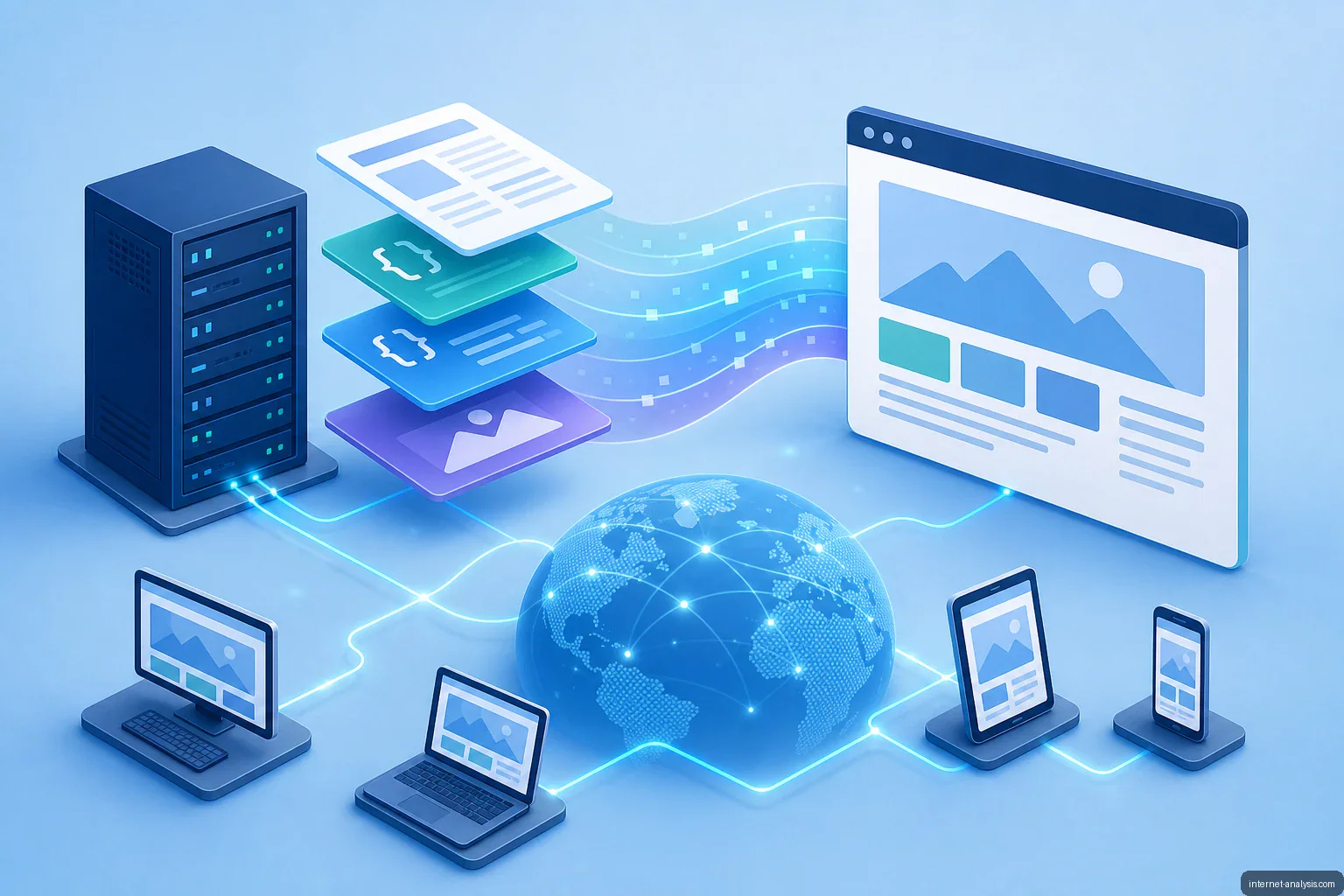
Computers are among the defining achievements of modern technology, but much of their everyday value now comes from connectivity. Widely available internet access allows people to communicate, retrieve information, use online services and share digital resources across vast distances. As connections have become faster, more affordable and more accessible, the internet has become increasingly central to how computers are used.
From Computer Networks to the World Wide Web
The internet and the World Wide Web are related, but they are not the same technology. The internet is the global network infrastructure that connects computers and carries many kinds of data. The web is one service that operates over that infrastructure, using websites and browsers to organize and present information.
Early computer-networking research focused on enabling communication and resource sharing among computers used by institutions and organizations. As networking technology developed, the web introduced a practical system for publishing interconnected documents that users could open with a browser.
HTML Gives Web Pages Their Structure
Publishing documents consistently required a shared way to describe their contents. HTML, or Hypertext Markup Language, became the standard markup language for structuring web pages. It identifies elements such as headings, paragraphs, lists, links and other parts of a document so that browsers can interpret and display them.
HTML is not a general-purpose programming language. Rather than executing application logic on its own, it marks up the structure and meaning of content. Its approachable syntax helped make web publishing accessible to individuals as well as businesses and institutions.
How Browsers and Servers Work Together
A website's files are typically stored on a web server, a system that responds to requests from browsers. When someone opens a page, the browser requests the relevant resources from the server. The server returns the available files, and the browser processes them to present the page.
Those resources may include:
- HTML files that define the page's structure and content.
- Stylesheets that control colors, typography, spacing and layout.
- Scripts that add interactivity and dynamic behavior.
- Media files such as logos, illustrations, photographs, audio or video.
HTML tells the browser what the major parts of a page represent, including its primary heading, sections and embedded resources. The browser combines this information with the site's other files to render the experience visible to the user.
A Foundation of Everyday Computing
The combination of network infrastructure, web servers, browsers and open standards such as HTML transformed computers from largely stand-alone machines into gateways to shared information and services. Although web technology has grown more sophisticated, HTML remains a fundamental building block of websites and a common starting point for learning how the web works.

Krzysztof
Broadband Infrastructure Editor at Internet AnalysisKrzysztof covers broadband technologies, provider availability, and infrastructure change. He focuses on making technical coverage data understandable without overstating what provider-reported availability proves.
View author profile →How this article was prepared
Cross-checks provider, technology, geography, and reporting-vintage fields; separates advertised availability from measured performance; and flags incomplete coverage denominators.
Read our methodology →Reviewed by the Internet Analysis Editorial Team
Reviewed by the Internet Analysis Editorial Team · Updated September 14, 2026
Meet the editorial team →Article context, review and related questions
Internet connectivity greatly expands the usefulness of computers, while HTML, web servers and browsers work together to deliver structured websites to users.
| Measure | Value | Context |
|---|---|---|
| Article type | Computer Science | Editorial classification |
| Reading time | 2 minutes | Estimated at approximately 220 words per minute |
| Editorial review | Internet Analysis Editorial Team | Updated September 14, 2026 |
| Review date | September 14, 2026 | Latest stored article update |
Methodology
Cross-checks provider, technology, geography, and reporting-vintage fields; separates advertised availability from measured performance; and flags incomplete coverage denominators.
Full methodology →Data freshness
- Page updated
- Data period
- September 14, 2026
- Responsible editor
- KrzysztofBroadband Infrastructure Editor
Primary sources
- Internet Analysis editorial methodologyReview and limitation rules
Limitations
- The article is informational and may simplify technical details for readability.
- Products, standards, prices and service availability can change after the review date.
- The latest review date does not guarantee that every external product or service remains unchanged.
Related questions
What is the main point of “How the Internet and HTML Power the Modern Web”?
Internet connectivity greatly expands the usefulness of computers, while HTML, web servers and browsers work together to deliver structured websites to users.
How was this article prepared?
Cross-checks provider, technology, geography, and reporting-vintage fields; separates advertised availability from measured performance; and flags incomplete coverage denominators.
When was this information last reviewed?
The latest stored review or update date is September 14, 2026.