How USB Modems Made Mobile Internet Easier to Adopt
USB modems helped carriers bundle affordable laptops with mobile Internet service while giving customers a simpler, largely automatic setup process.
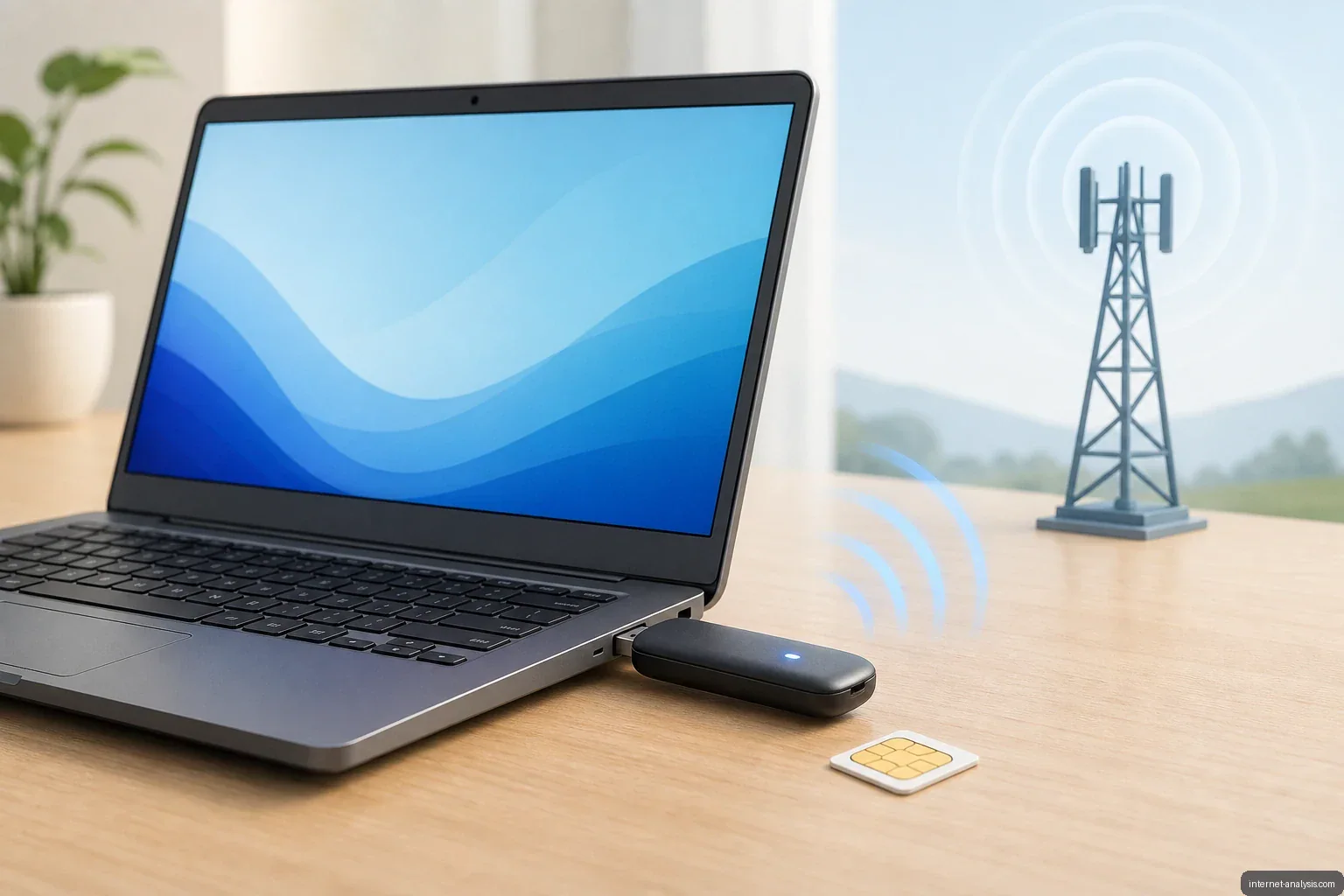
Mobile carriers reached an important turning point when they began adding laptops to their product lineups. These computers appealed to customers because they were relatively inexpensive and could often be purchased through installment plans with minimal paperwork.
The business model depended on more than laptop sales. Carriers could keep device prices low by bundling each computer with a mobile Internet service package. The bundle typically included a modem and a SIM card, allowing the laptop to connect to the carrier’s cellular network. Rather than relying on profit from the computer itself, operators earned revenue from the accompanying network service.
Early modems created usability problems
The first mobile Internet modems did not always provide a smooth experience. As customers became more familiar with mobile connectivity, they grew less willing to accept unreliable or difficult-to-use hardware. That pressure encouraged manufacturers to develop a simpler approach that required less technical knowledge from the user.
The USB dongle offered a practical answer
The solution was a compact, self-installing modem designed as a USB dongle. Although it was not necessarily the strongest option from a purely technical perspective, it worked well as a consumer product because it was small, straightforward and easy to market.
Setup was designed to require only a few steps:
- Insert a SIM card into the modem.
- Connect the modem to the computer’s USB port.
- Allow the required software to install automatically.
- Enter the SIM card’s PIN when prompted.
By combining connectivity hardware, installation software and SIM-based network access in one compact device, USB modems reduced the complexity of getting a laptop online through a mobile network. Their convenience also made them a natural fit for the carrier bundles that helped bring mobile Internet service to a broader consumer market.

Anna
Digital Safety & Consumer Research Editor at Internet AnalysisAnna edits practical guidance about safer internet use, privacy, online services, and consumer decisions. She prioritizes clear recommendations, scope, and transparent sourcing.
View author profile →How this article was prepared
Reviews claims against named primary or authoritative sources, removes unsupported certainty, distinguishes general education from professional advice, and records the article update date.
Read our methodology →Reviewed by the Internet Analysis Editorial Team
Reviewed by the Internet Analysis Editorial Team · Updated August 20, 2026
Meet the editorial team →Article context, review and related questions
USB modems helped carriers bundle affordable laptops with mobile Internet service while giving customers a simpler, largely automatic setup process.
| Measure | Value | Context |
|---|---|---|
| Article type | Mobile Technology | Editorial classification |
| Reading time | 2 minutes | Estimated at approximately 220 words per minute |
| Editorial review | Internet Analysis Editorial Team | Updated August 20, 2026 |
| Review date | August 20, 2026 | Latest stored article update |
Methodology
Reviews claims against named primary or authoritative sources, removes unsupported certainty, distinguishes general education from professional advice, and records the article update date.
Full methodology →Data freshness
- Page updated
- Data period
- August 20, 2026
- Responsible editor
- AnnaDigital Safety & Consumer Research Editor
Primary sources
- Internet Analysis editorial methodologyReview and limitation rules
Limitations
- The article is informational and may simplify technical details for readability.
- Products, standards, prices and service availability can change after the review date.
- The latest review date does not guarantee that every external product or service remains unchanged.
Related questions
What is the main point of “How USB Modems Made Mobile Internet Easier to Adopt”?
USB modems helped carriers bundle affordable laptops with mobile Internet service while giving customers a simpler, largely automatic setup process.
How was this article prepared?
Reviews claims against named primary or authoritative sources, removes unsupported certainty, distinguishes general education from professional advice, and records the article update date.
When was this information last reviewed?
The latest stored review or update date is August 20, 2026.