Internet Access: Everyday Benefits and Essential Safety Practices
Internet access supports communication, research and daily life, but safe use requires balanced habits, protected personal information and careful verification of online sellers and strangers.
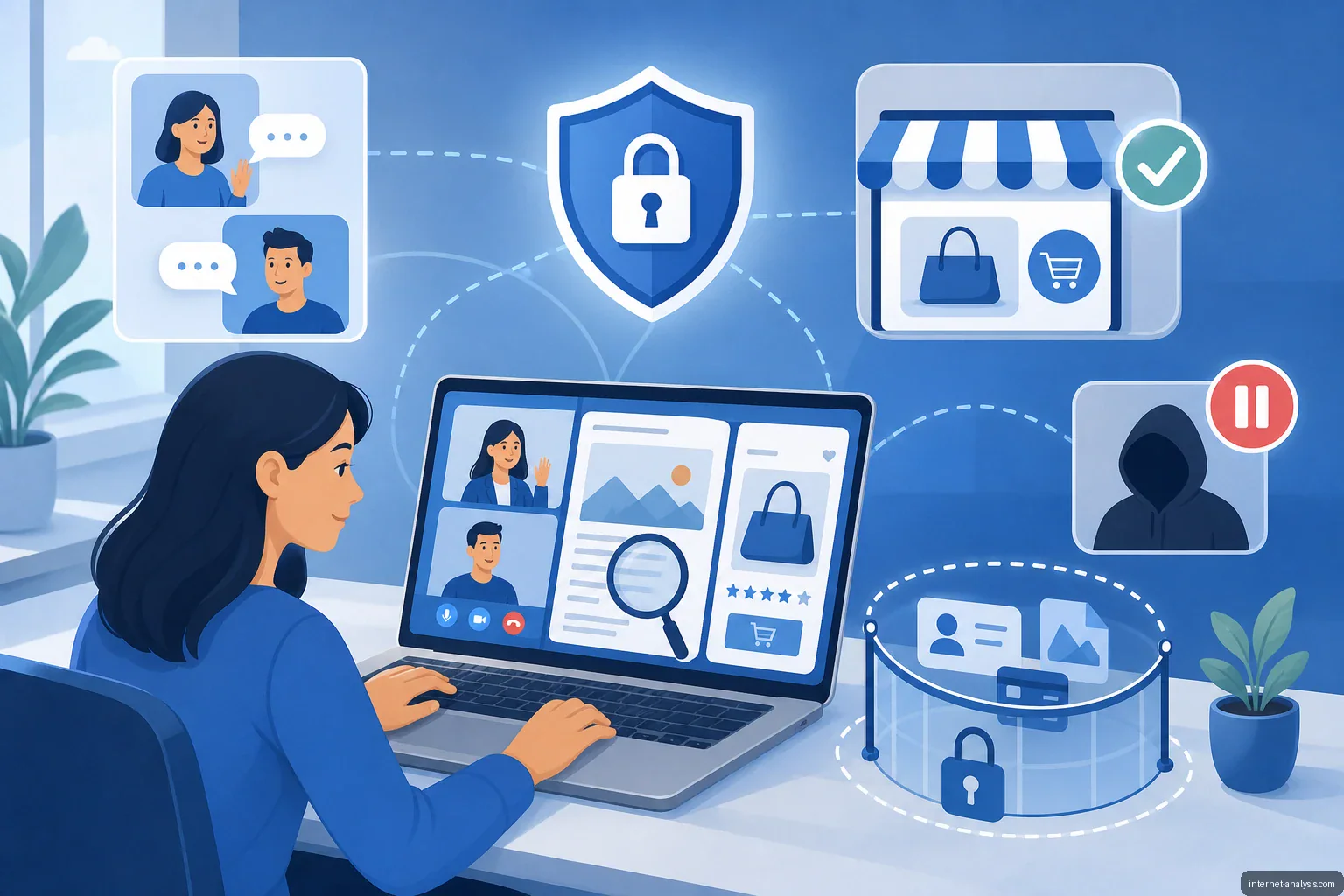
Internet access has become a central part of everyday life. It provides immediate access to knowledge and news from across the country and around the world, while also helping people communicate through email, chats and other online services.
That convenience comes with risks. Excessive use can become difficult to manage, especially for young people, and interactions with strangers may expose users to dishonesty, fraud or attempts to collect personal information. Using the internet safely requires balanced habits, careful verification and a healthy degree of skepticism.
Managing internet use
For some people, checking email or chatting online can feel indispensable. Young users in particular may struggle to spend even a day away from internet-based communication. When online activity begins to dominate a person’s routine, it may indicate that healthier boundaries are needed.
Internet access remains valuable for research, education, current events and answers to everyday questions. The goal is not to avoid it, but to use it purposefully and prevent constant checking from displacing offline responsibilities and relationships.
Approach online strangers cautiously
The person on the other side of a screen may not be who they claim to be. Dishonest users can exploit trust, inexperience or urgency to manipulate others. This risk applies to casual conversations, romantic interactions and commercial transactions.
Users should avoid disclosing real personal information to people they meet in chat rooms or similar online spaces. Details that identify a person, reveal where they live or otherwise compromise privacy should remain confidential until the other party’s identity and intentions can be established safely.
Verify online stores before buying
Online shopping can be convenient, but purchases should not be made before relevant information has been checked. Unsuspecting customers may encounter sellers that provide misleading claims or fail to operate honestly.
Before completing a purchase, examine the available details about the store, product and transaction. If important information is missing, inconsistent or difficult to verify, delaying the purchase is safer than relying on promises from an unknown seller.
Practical principles for safer access
- Use the internet deliberately: Make time for online research and communication without allowing repeated checking to control the day.
- Protect personal information: Do not share identifying details with strangers in chats or other online communities.
- Question online identities: Remember that profiles and messages do not necessarily reflect a person’s real identity or intentions.
- Research before purchasing: Verify relevant information about an online store and its products before paying.
- Pause when something feels wrong: Pressure, inconsistent information or requests for personal details are reasons to stop and reassess the interaction.
Balance convenience with caution
The internet is an important source of information, communication and practical services, but its usefulness should not lead to uncritical trust. Balanced use, privacy awareness and careful verification can help people benefit from internet access while reducing the risks posed by excessive use and dishonest individuals.

Piotr
Network Performance Analyst at Internet AnalysisPiotr analyzes how download speed, upload speed, latency, jitter, and packet loss affect real-world connectivity. He translates test results into careful, reproducible explanations.
View author profile →How this article was prepared
Uses consistent metric definitions, excludes invalid samples where identifiable, compares medians rather than isolated extremes, and describes device, access-network, and geographic limitations.
Read our methodology →Reviewed by the Internet Analysis Editorial Team
Reviewed by the Internet Analysis Editorial Team · Updated August 28, 2026
Meet the editorial team →Article context, review and related questions
Internet access supports communication, research and daily life, but safe use requires balanced habits, protected personal information and careful verification of online sellers and strangers.
| Measure | Value | Context |
|---|---|---|
| Article type | Technology | Editorial classification |
| Reading time | 3 minutes | Estimated at approximately 220 words per minute |
| Editorial review | Internet Analysis Editorial Team | Updated August 28, 2026 |
| Review date | August 28, 2026 | Latest stored article update |
Methodology
Uses consistent metric definitions, excludes invalid samples where identifiable, compares medians rather than isolated extremes, and describes device, access-network, and geographic limitations.
Full methodology →Data freshness
- Page updated
- Data period
- August 28, 2026
- Responsible editor
- PiotrNetwork Performance Analyst
Primary sources
- Internet Analysis editorial methodologyReview and limitation rules
Limitations
- The article is informational and may simplify technical details for readability.
- Products, standards, prices and service availability can change after the review date.
- The latest review date does not guarantee that every external product or service remains unchanged.
Related questions
What is the main point of “Internet Access: Everyday Benefits and Essential Safety Practices”?
Internet access supports communication, research and daily life, but safe use requires balanced habits, protected personal information and careful verification of online sellers and strangers.
How was this article prepared?
Uses consistent metric definitions, excludes invalid samples where identifiable, compares medians rather than isolated extremes, and describes device, access-network, and geographic limitations.
When was this information last reviewed?
The latest stored review or update date is August 28, 2026.