Mobile Television and the Audience Gap
Mobile television may appeal to younger smartphone users, but its success depends on offering relevant channels at a price the intended audience will accept.
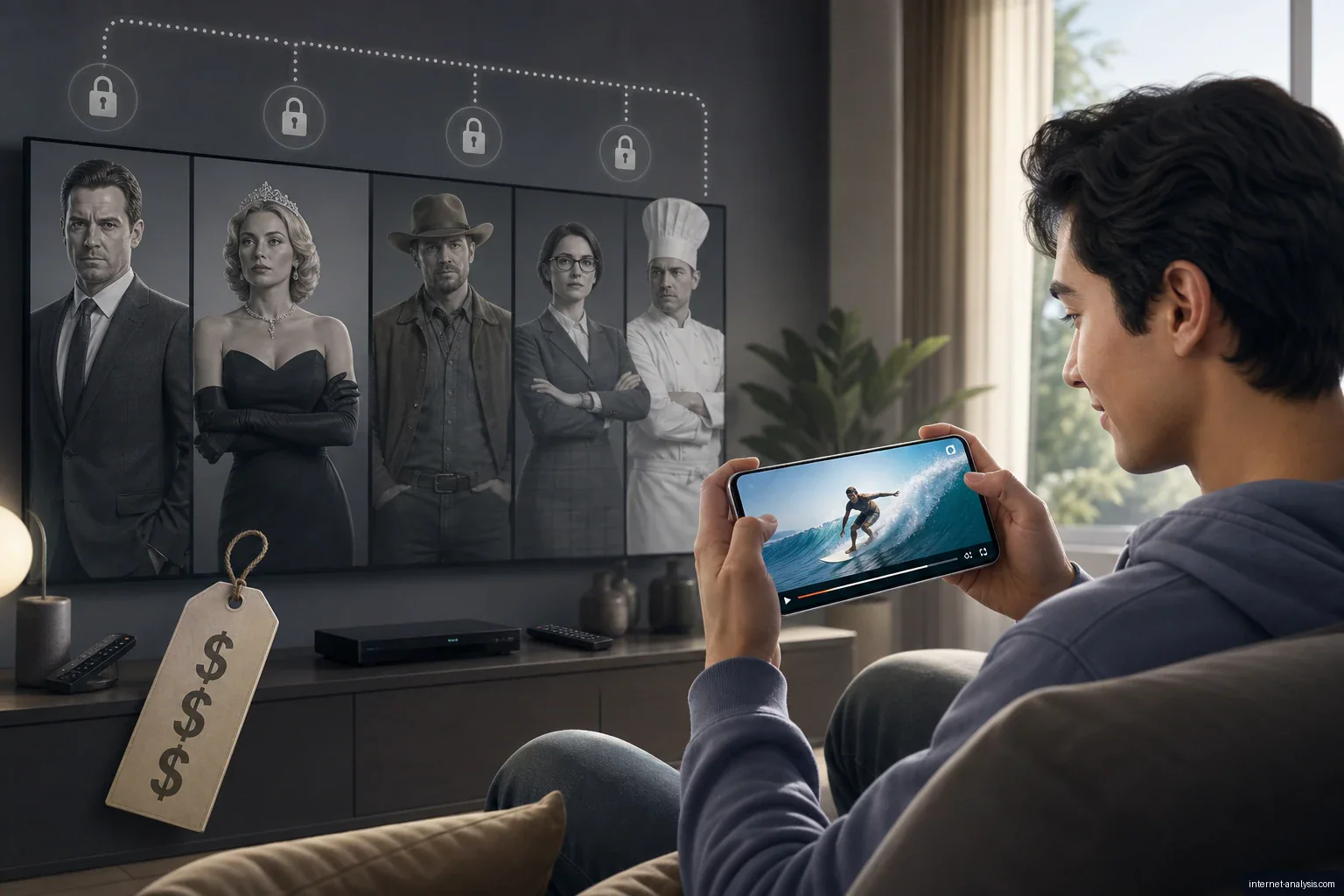
Mobile devices have become central to how people access online communication and culture. Younger users, in particular, tend to move comfortably between desktop computers, laptops and smartphones, making them a natural audience for services that deliver television to a cell phone.
Yet technical familiarity does not automatically translate into demand. A mobile television package also needs programming that appeals to the people most likely to use it, at a price they consider worthwhile.
A mismatch in the Polish market
In Poland, the first mobile television channels offered by operators largely consisted of stations traditionally popular with adults and seniors. That created a basic audience mismatch: younger consumers were among the most likely to own smartphones and embrace internet-based services, but the available channels did not necessarily reflect their interests.
Cost added another obstacle. When a relatively expensive package offers little programming aimed at younger viewers, those viewers have limited incentive to subscribe—even if they like the idea of watching television on a phone.
Programming matters as much as delivery
The early experience of mobile television illustrates that a new distribution method cannot succeed on novelty alone. Operators must align several elements:
- Audience: Identify the consumers most likely to watch television on a mobile device.
- Content: Offer channels and programs suited to that audience.
- Price: Set a cost that feels reasonable relative to the available selection.
- Technology: Make the service convenient for people already accustomed to accessing media online.
Adding more youth-oriented stations could make mobile television more attractive to smartphone users. Without a closer fit between content, price and audience, however, even a technically interesting service may struggle to gain broad adoption.

Piotr
Network Performance Analyst at Internet AnalysisPiotr analyzes how download speed, upload speed, latency, jitter, and packet loss affect real-world connectivity. He translates test results into careful, reproducible explanations.
View author profile →How this article was prepared
Uses consistent metric definitions, excludes invalid samples where identifiable, compares medians rather than isolated extremes, and describes device, access-network, and geographic limitations.
Read our methodology →Reviewed by the Internet Analysis Editorial Team
Reviewed by the Internet Analysis Editorial Team · Updated August 28, 2026
Meet the editorial team →Article context, review and related questions
Mobile television may appeal to younger smartphone users, but its success depends on offering relevant channels at a price the intended audience will accept.
| Measure | Value | Context |
|---|---|---|
| Article type | Telecommunications | Editorial classification |
| Reading time | 2 minutes | Estimated at approximately 220 words per minute |
| Editorial review | Internet Analysis Editorial Team | Updated August 28, 2026 |
| Review date | August 28, 2026 | Latest stored article update |
Methodology
Uses consistent metric definitions, excludes invalid samples where identifiable, compares medians rather than isolated extremes, and describes device, access-network, and geographic limitations.
Full methodology →Data freshness
- Page updated
- Data period
- August 28, 2026
- Responsible editor
- PiotrNetwork Performance Analyst
Primary sources
- Internet Analysis editorial methodologyReview and limitation rules
Limitations
- The article is informational and may simplify technical details for readability.
- Products, standards, prices and service availability can change after the review date.
- The latest review date does not guarantee that every external product or service remains unchanged.
Related questions
What is the main point of “Mobile Television and the Audience Gap”?
Mobile television may appeal to younger smartphone users, but its success depends on offering relevant channels at a price the intended audience will accept.
How was this article prepared?
Uses consistent metric definitions, excludes invalid samples where identifiable, compares medians rather than isolated extremes, and describes device, access-network, and geographic limitations.
When was this information last reviewed?
The latest stored review or update date is August 28, 2026.