How Technology Created the Global Village
Computers and the internet have made distance less significant, enabling near-instant communication, cultural exchange and participation in events across the world.
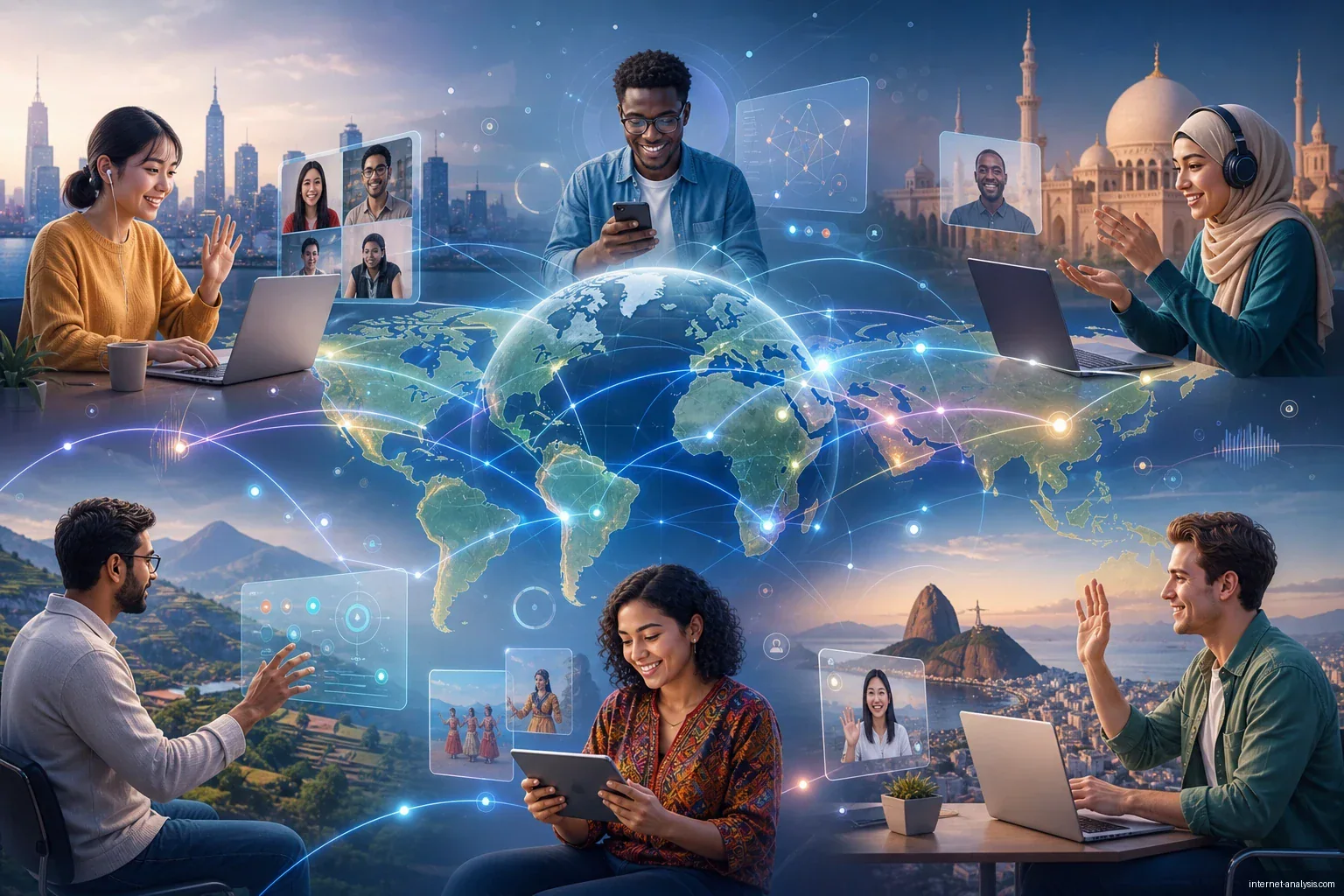
A century ago, reaching another continent could require weeks of travel. Modern air transportation has reduced that journey to a matter of hours, but computers and the internet have changed the meaning of distance even more dramatically. Information can now cross the planet almost instantly, allowing people to meet, work and exchange ideas without sharing a physical location.
This connected world is often called the global village. The phrase describes more than faster communication: it reflects a reality in which events, conversations and communities are no longer confined by national borders.
Communication Without Geographic Boundaries
Digital networks let one person communicate with people on several continents at nearly the same time. Video calls, messaging services and other online tools create a form of virtual presence, making it possible to participate in multiple conversations or communities without traveling between them.
Although this experience cannot replace physical movement, it changes how people understand distance. Someone with internet access can follow developments on the other side of the world, discuss them with others and, in some cases, contribute to the events as they unfold.
A Faster Exchange of Ideas and Culture
The global village accelerates the exchange of opinions, cultural influences and political ideas. Newspapers and books once played a central role in carrying such information across borders. Computers and internet connections now deliver it directly and with far less delay.
This flow can have consequences beyond online discussion. Internet users helped initiate and organize protests in North African countries, drawing on ideas circulating in the Western world through digital channels. The example illustrates how networked communication can support political participation and expose people to perspectives that may not be readily available through traditional local media.
From Observers to Participants
Computerization has also changed the public’s role in global events. People are no longer limited to receiving delayed reports. They can monitor developments in real time, communicate with those involved and add their own voices to international conversations.
The result is a world that feels smaller not because physical distances have changed, but because the time required to exchange information has nearly disappeared. As information technology continues to advance, the next stage of the global village remains difficult to predict. What is already clear is that computers and networks have permanently altered how people experience distance, culture and participation.

Anna
Digital Safety & Consumer Research Editor at Internet AnalysisAnna edits practical guidance about safer internet use, privacy, online services, and consumer decisions. She prioritizes clear recommendations, scope, and transparent sourcing.
View author profile →How this article was prepared
Reviews claims against named primary or authoritative sources, removes unsupported certainty, distinguishes general education from professional advice, and records the article update date.
Read our methodology →Reviewed by the Internet Analysis Editorial Team
Reviewed by the Internet Analysis Editorial Team · Updated August 19, 2026
Meet the editorial team →Article context, review and related questions
Computers and the internet have made distance less significant, enabling near-instant communication, cultural exchange and participation in events across the world.
| Measure | Value | Context |
|---|---|---|
| Article type | Technology | Editorial classification |
| Reading time | 2 minutes | Estimated at approximately 220 words per minute |
| Editorial review | Internet Analysis Editorial Team | Updated August 19, 2026 |
| Review date | August 19, 2026 | Latest stored article update |
Methodology
Reviews claims against named primary or authoritative sources, removes unsupported certainty, distinguishes general education from professional advice, and records the article update date.
Full methodology →Data freshness
- Page updated
- Data period
- August 19, 2026
- Responsible editor
- AnnaDigital Safety & Consumer Research Editor
Primary sources
- Internet Analysis editorial methodologyReview and limitation rules
Limitations
- The article is informational and may simplify technical details for readability.
- Products, standards, prices and service availability can change after the review date.
- The latest review date does not guarantee that every external product or service remains unchanged.
Related questions
What is the main point of “How Technology Created the Global Village”?
Computers and the internet have made distance less significant, enabling near-instant communication, cultural exchange and participation in events across the world.
How was this article prepared?
Reviews claims against named primary or authoritative sources, removes unsupported certainty, distinguishes general education from professional advice, and records the article update date.
When was this information last reviewed?
The latest stored review or update date is August 19, 2026.